Diabetic Eye Exams in San Antonio: What to Expect and How Often You Need One

Diabetic Eye Exams in San Antonio: What to Expect and How Often You Need One

Diabetic Eye Exams in San Antonio: What to Expect and How Often You Need One

Diabetic Eye Exams in San Antonio: What to Expect and How Often You Need One

Diabetic Eye Exams in San Antonio: What to Expect and How Often You Need One

Diabetic Eye Exams in San Antonio: What to Expect and How Often You Need One


If you have diabetes, regular eye exams are an important part of protecting your vision. Diabetes can affect the small blood vessels in the retina and lead to diabetic retinopathy, sometimes before you notice any changes in your eyesight. At Bluebonnet Eye Care, we provide diabetic eye exams in San Antonio to help identify these changes as early as possible.
Why Diabetic Eye Exams Matter
High blood sugar can damage blood vessels throughout the body, including those that supply the retina. Over time, these vessels may leak, swell, or become blocked. Diabetes can also increase the risk of other eye conditions, including cataracts and glaucoma.
One of the challenges with diabetic eye disease is that early stages may not cause obvious symptoms. Your vision can seem completely normal even while retinal changes are developing. That is why routine diabetic eye exams are important even when your eyes feel fine.
What Happens During a Diabetic Eye Exam?
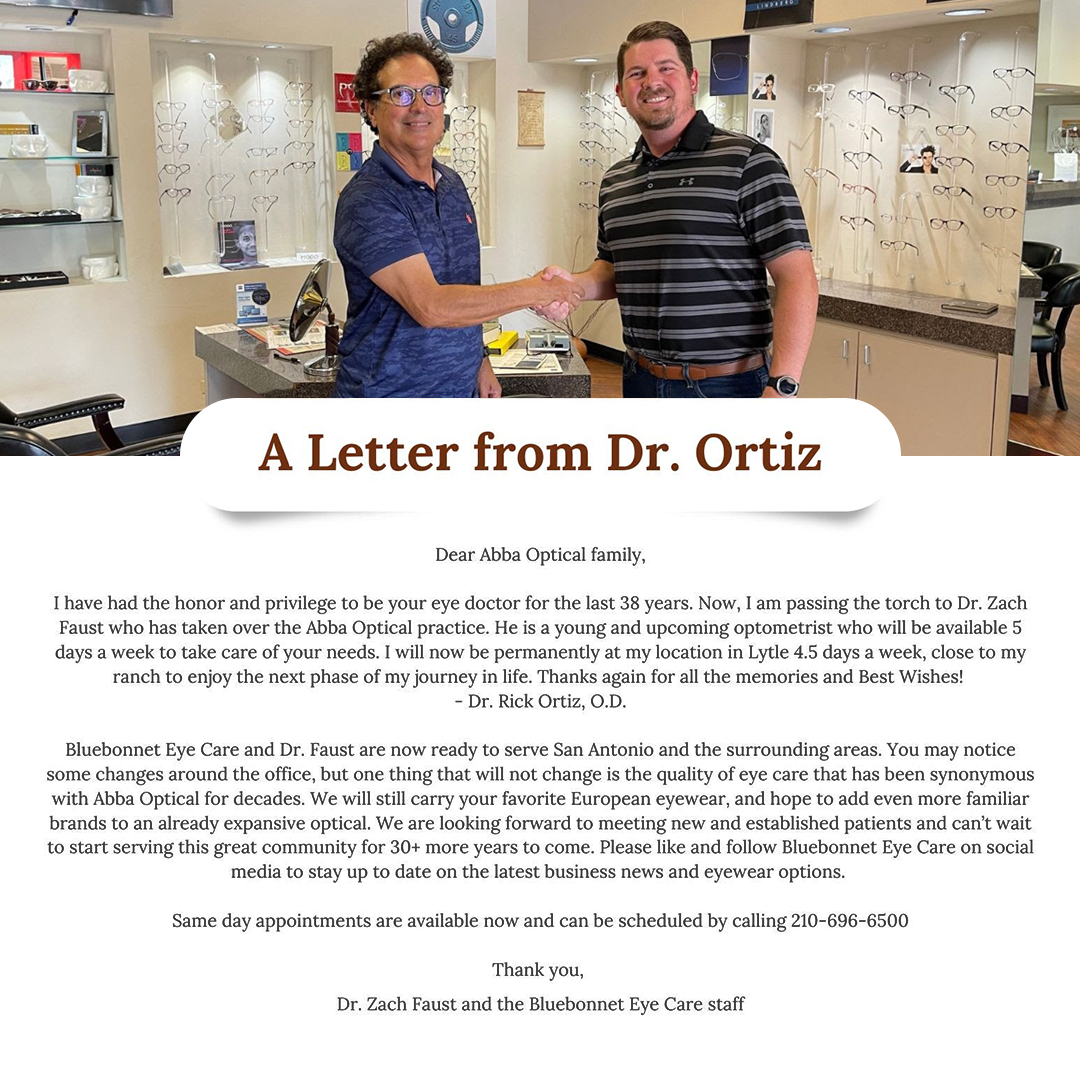
During your diabetic eye exam in San Antonio, we evaluate your vision and carefully examine the health of your eyes. Your visit may include testing your visual acuity, checking your prescription, measuring eye pressure, and examining structures inside the eye.
We pay particular attention to the retina and look for signs such as:
Leaking or abnormal retinal blood vessels
Small areas of bleeding in the retina
Swelling in or near the macula
Changes associated with diabetic retinopathy
Signs of glaucoma, cataracts, or other eye conditions
Depending on your individual needs, dilation or additional retinal evaluation may be recommended so we can get a detailed view of the back of your eyes.
How Often Should You Have a Diabetic Eye Exam?
The right schedule depends on the type of diabetes you have and the health of your eyes. Current American Diabetes Association recommendations advise people with type 2 diabetes to receive an initial dilated comprehensive eye exam when diabetes is diagnosed. Adults with type 1 diabetes should generally receive their first exam within five years after diabetes begins.
After that, diabetic eye exams are commonly performed annually. If repeated exams show no diabetic retinopathy and blood sugar levels are well managed, your eye doctor may recommend screening every one to two years. If diabetic retinopathy is present or progressing, more frequent monitoring may be necessary.
Do Not Wait for Vision Changes
Blurred vision, floaters, dark areas in your vision, or sudden changes in eyesight should always be evaluated promptly. However, waiting for symptoms is not an effective way to monitor diabetic eye disease.
Regular exams give us the opportunity to document your retinal health over time and identify concerning changes sooner. Maintaining healthy blood sugar and blood pressure levels can also help reduce the risk or progression of diabetic retinopathy.
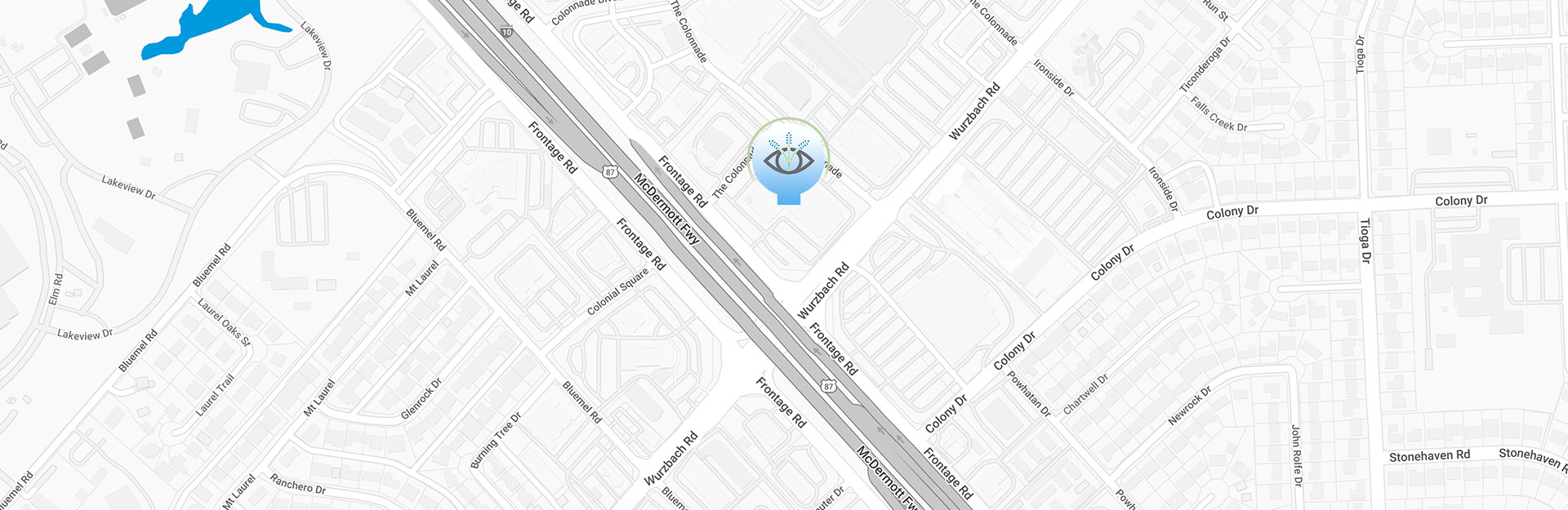
If you have diabetes and are due for an eye exam, contact Bluebonnet Eye Care in San Antonio, TX, at 9823 W. IH-10, San Antonio, TX 78230, or call (210) 696-6500 to schedule your diabetic eye exam.

Hours
- Monday 9:00 am-5:00 pm
- Tuesday 9:00 am-5:00 pm
- Wednesday 9:00 am-5:00 pm
- Thursday 9:00 am-5:00 pm
- Friday 9:00 am-5:00 pm
- Saturday Appointment Only
- Sunday Closed
© 2025 Bluebonnet Eye Care. All Rights Reserved. Accessibility Statement - Privacy Policy - Terms and Conditions - Sitemap
Powered by