Is My Child Ready for School? The Essential Checklist for Pediatric Eye Exams in San Antonio

Is My Child Ready for School? The Essential Checklist for Pediatric Eye Exams in San Antonio

Is My Child Ready for School? The Essential Checklist for Pediatric Eye Exams in San Antonio
Is My Child Ready for School? The Essential Checklist for Pediatric Eye Exams in San Antonio

Is My Child Ready for School? The Essential Checklist for Pediatric Eye Exams in San Antonio
Is My Child Ready for School? The Essential Checklist for Pediatric Eye Exams in San Antonio

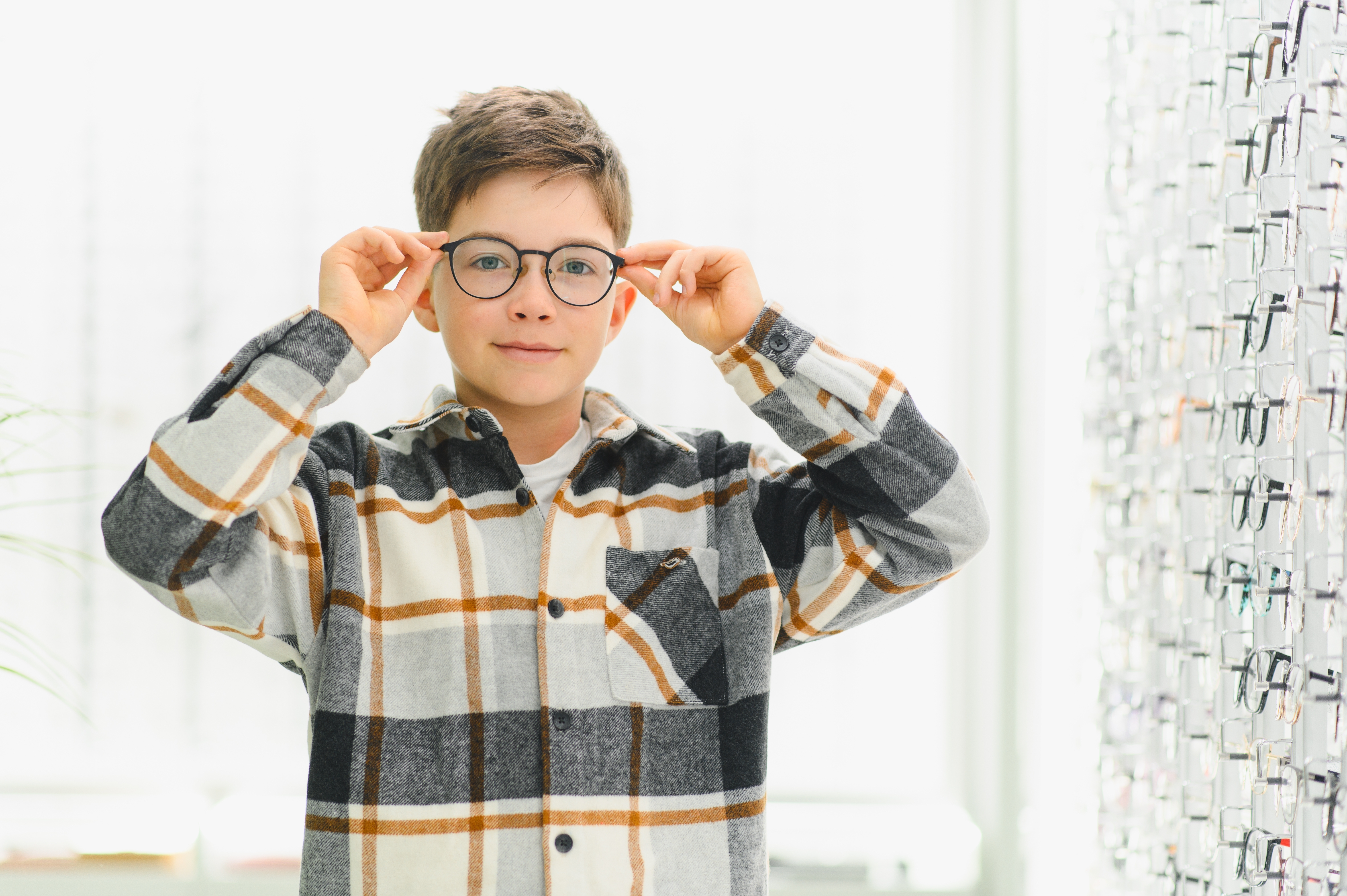
Preparing a child for a new school year involves more than buying supplies and adjusting bedtime routines. Clear, comfortable vision plays an important role in reading, writing, using classroom technology, participating in sports, and following instructions. Scheduling a pediatric eye exam before school begins can help San Antonio families identify vision concerns that might otherwise affect a child’s comfort or classroom performance.
At Bluebonnet Eye Care, we provide comprehensive pediatric eye exams that evaluate more than the ability to read letters on a chart. Our goal is to help children begin the school year with the visual skills they need for daily learning.
Why School Readiness Includes Healthy Vision
Children use their eyes throughout nearly every part of the school day. They must see the board, focus on books and tablets, track words across a page, and shift their attention between near and distant objects.
A child may have difficulty with one of these visual tasks without realizing something is wrong. Children often assume everyone sees the same way they do, so they may not report blurry vision, eye strain, or trouble keeping their place while reading. Instead, parents may notice changes in behavior, attention, or interest in schoolwork.
Your Back-to-School Vision Checklist
Before San Antonio classes begin, consider whether your child has experienced any of the following signs:
- Squinting or closing one eye to see
- Holding books, tablets, or phones unusually close
- Frequently rubbing the eyes or blinking
- Complaining about headaches or tired eyes
- Losing their place while reading
- Avoiding homework or other close-up activities
- Struggling to copy information from the board
- Tilting the head when looking at distant objects
- Sitting too close to the television
- Experiencing a noticeable decline in classroom performance
These symptoms do not always indicate a serious condition, but they provide a good reason to schedule a pediatric eye exam.
Why a School Vision Screening May Not Be Enough
School vision screenings can help identify children who have difficulty seeing clearly at a distance. However, a screening is not the same as a comprehensive eye exam.
A child may pass a basic screening while still having farsightedness, astigmatism, focusing difficulties, poor eye coordination, or an eye health concern. Screenings also may not provide the detailed testing needed to identify amblyopia, commonly called lazy eye, or subtle eye alignment problems.
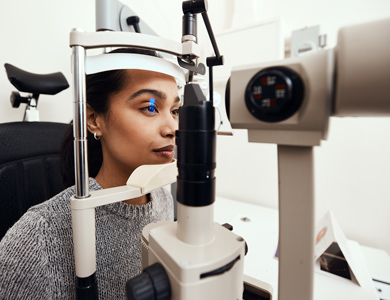
During a comprehensive pediatric eye exam, we can evaluate visual clarity, prescription needs, eye movement, focusing ability, eye coordination, and overall eye health. These findings provide a more complete understanding of how a child’s visual system functions during school activities.
What Parents Should Bring to the Appointment
Parents can help make the exam more informative by sharing details about their child’s health, development, and school experience. Bring any current glasses, a list of medications, and information about previous eye exams.
It is also helpful to tell us about headaches, reading difficulties, eye rubbing, complaints of double vision, or concerns mentioned by a teacher. A family history of conditions such as amblyopia, crossed eyes, strong prescriptions, or other eye concerns should also be discussed.
When Should Your Child Have an Eye Exam?
Children should receive comprehensive eye care at appropriate stages of development and whenever symptoms or concerns appear. An exam before the school year is especially helpful because it provides time to order glasses, adjust to a new prescription, or discuss additional care before classroom demands increase.
Children who already wear glasses should also have their vision checked regularly. Prescriptions can change as children grow, and glasses that worked well last year may no longer provide the clearest or most comfortable vision.
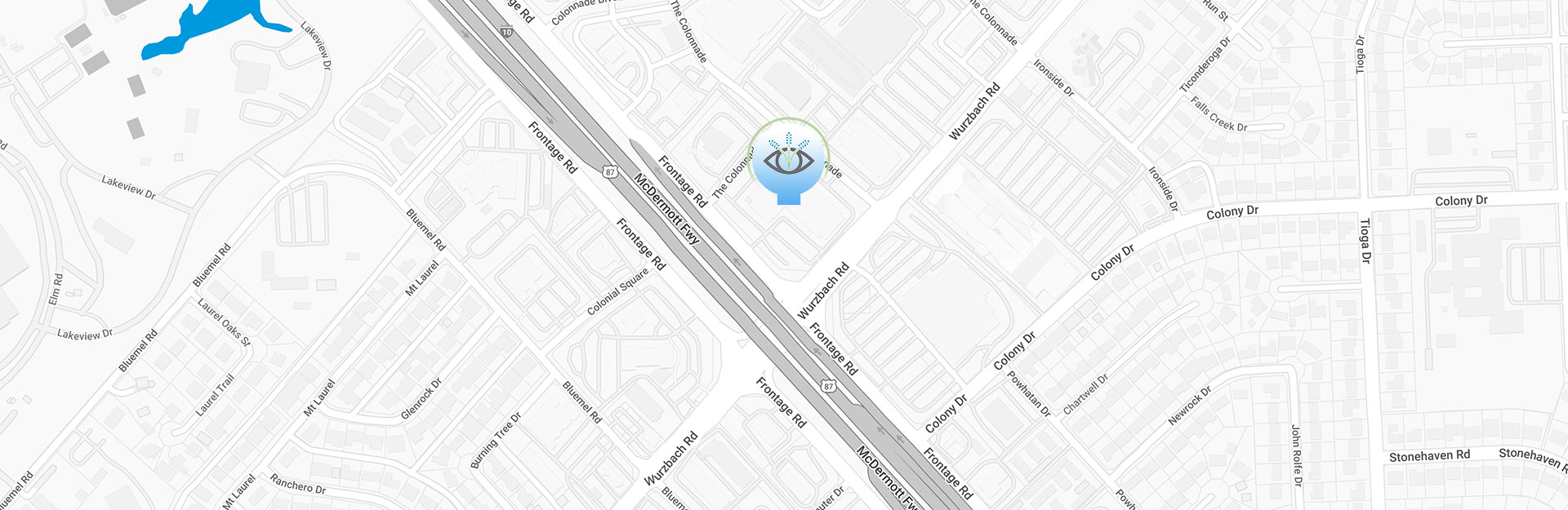
Give your child a clearer start to the school year by scheduling a pediatric eye exam with Bluebonnet Eye Care at 9823 W. IH-10, San Antonio, TX 78230. Call (210) 696-6500 to book an appointment.

Hours
- Monday 9:00 am-5:00 pm
- Tuesday 9:00 am-5:00 pm
- Wednesday 9:00 am-5:00 pm
- Thursday 9:00 am-5:00 pm
- Friday 9:00 am-5:00 pm
- Saturday Appointment Only
- Sunday Closed
© 2025 Bluebonnet Eye Care. All Rights Reserved. Accessibility Statement - Privacy Policy - Terms and Conditions - Sitemap
Powered by